
Flat, matted, grey: when a carpet needs restoration
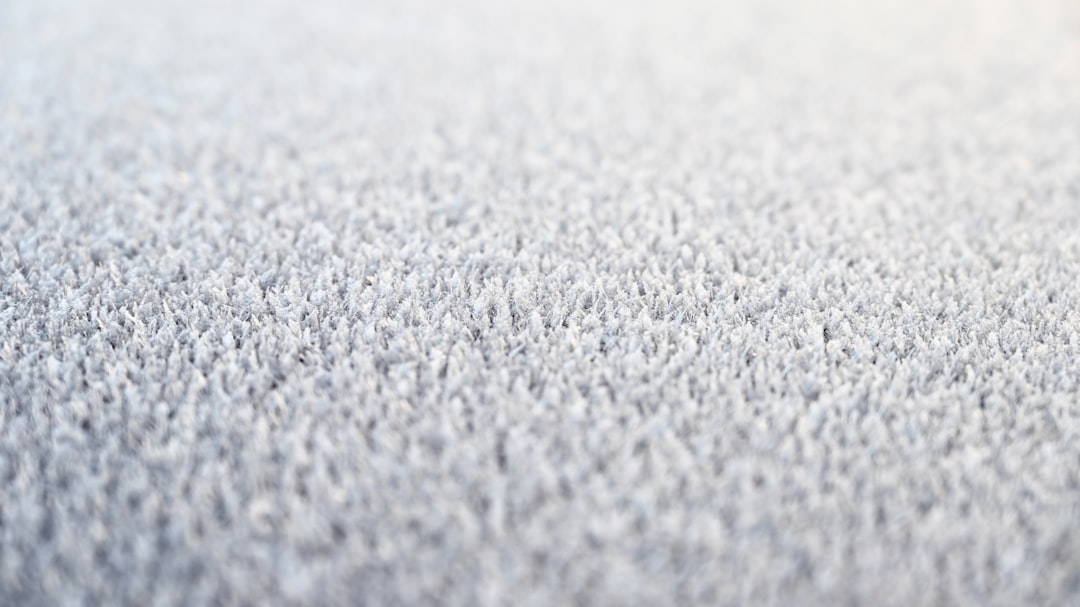
You walk across it every day, so you stop noticing. Then a guest visits, the afternoon light hits the floor at a low angle, and suddenly you see it: a carpet that looks grey and flat where it used to have colour and pile. The traffic lanes are matted down, there is a dull film across the whole surface, and no amount of vacuuming seems to shift it.
This is one of the most common things we see in Singapore homes, particularly in HDB flats and condos where wall-to-wall carpet was laid during fitting-out and then largely left to fend for itself. The carpet did not degrade overnight. It happened in layers, each one compounding the last.
The good news is that a grey, matted carpet is not always a write-off. What looks like permanent damage is often a combination of problems that a proper carpet restoration clean can address, though not always completely. This piece explains what is actually happening inside the fibre, what a professional clean can recover, and when the honest answer is replacement.
Why this matters: understanding what has gone wrong physically helps you set realistic expectations before spending money on a clean, or before replacing a carpet that could still have years of life in it.
Highlights
- Matting, greying and flat pile are usually caused by fibre compression, deep soil loading, and detergent residue, often in combination
- Hot-water extraction and dry cleaning target different parts of this problem; the right method depends on the fibre and the type of soiling
- Eco-friendly, safe solutions are used throughout, with no harsh chemical residue left in the pile
- A free Aegis antimicrobial treatment is included with every soft furnishing clean
- Some damage is physical and permanent; we will always tell you honestly if restoration is unlikely to justify the cost
- 100% Satisfaction Guaranteed
What is actually happening to the fibre
A carpet looks grey and flat for three distinct reasons, and they tend to arrive together.
Fibre compression
Every step compresses the pile. In a low-traffic bedroom, the fibre springs back. In a hallway, the dining area, or anywhere furniture has sat for years, the compression becomes permanent at the fibre level. Nylon and polypropylene are relatively resilient; wool and blended cut-pile carpets show this most visibly. Once the fibre shaft itself has kinked or bent at the base, no amount of cleaning will restore the original loft. Hot-water extraction does agitate and partially lift compressed pile, but the honest limit is that heavily crushed fibre under sofa legs for five years may stay flat.
Deep soil loading
The grey colour that vacuuming cannot shift is almost always fine particulate matter: grit, skin cells, dust mite debris, and carbon particles that have worked their way below the surface of the pile and bonded to the fibre. Singapore's humid climate means carpets also trap more moisture-carrying particles than carpets in drier climates would. Surface vacuuming lifts the loose top layer; it cannot reach what has settled at the base of the pile over years. This is the layer that hot-water extraction is specifically designed to flush out, forcing water and detergent through the pile at pressure and then extracting it back out along with the embedded soil.
Detergent residue from previous cleans
This one surprises people. Many DIY carpet cleaning machines and rental units apply shampoo or foam but do not extract it fully. The residue dries in the pile and acts as a magnet for new soil, so the carpet re-soils faster after each amateur clean. The film also dulls the fibre optically, making a carpet look greyer than it actually is once you strip the residue away. A professional hot-water extraction clean, done properly, removes this residue as part of the process. It is often the single most visible improvement in a restoration clean: colour that looked permanently dull coming back once the sticky film is gone.
What carpet restoration can actually recover
When we talk about carpet restoration, we mean a thorough professional clean aimed at recovering as much of the original appearance and hygiene as possible. This is different from a maintenance clean on a relatively well-kept carpet; it involves pre-treatment of heavy soil areas, a longer dwell time for the cleaning solution, and a slower extraction pass to lift more embedded material.
What typically responds well
- The grey colour. In most cases, a significant amount of the grey is soil and residue, not permanent fibre discolouration. Removing it brings colour back. Results vary with fibre age and type, but this is the most reliably improved aspect of a restoration clean.
- Odour. Embedded organic matter, dust mite debris, and the musty smell of old soil all lift with a thorough hot-water extraction. For persistent odours, our professional carpet cleaning includes targeted pre-treatment before the main clean.
- Surface matting from soil. Pile that is matted because of accumulated dirt and grit, rather than physical crushing, often recovers well once the load is removed and the fibre is raked back up after drying.
- Hygiene. Even a carpet that still looks tired after cleaning is dramatically different in terms of what it is holding. According to the Carpet and Rug Institute, professional cleaning of water-damaged and heavily soiled carpets has contributed significantly to improving indoor air quality in affected buildings, and the same principle applies to long-neglected carpets loaded with allergens and biological matter.
What may not fully recover
- Permanent compression under furniture. If a sofa has sat in the same spot for years, those four square dents in the pile are likely structural. Hot-water extraction will help somewhat; full recovery is unlikely.
- Fibre wear and fraying. A carpet that has been abraded down to the backing in traffic lanes has lost fibre permanently. Cleaning will make it look cleaner, but the thinned area will remain.
- Bleach spots and chemical stains. These have destroyed the dye in the fibre. No cleaning process recolours a carpet; those patches are permanent.
- Severe mould penetration. Surface mould on a carpet can often be treated with our mould removal service, but mould that has grown through the backing and into the underlay typically requires the carpet to be lifted and sections replaced. If you can smell mould but cannot see it, there is likely a hidden moisture problem underneath, which is a different challenge entirely.

Wet or dry: which method suits a restoration clean
For most heavily soiled wall-to-wall carpet restoration work, hot-water extraction is the right starting point. It is the most effective method for flushing out deep soil, detergent residue, and biological matter. The pile is agitated, the cleaning solution penetrates to the base, and the extraction pulls the loosened soil back out.
For natural fibres like wool or sisal, or in situations where a carpet cannot be wet (adjacent to moisture-sensitive materials, or in a commercial space that cannot close for drying), dry cleaning methods such as encapsulation are a better fit. We assess the fibre and the environment before recommending an approach.
|
Problem |
Method that addresses it |
Honest limit |
|---|---|---|
|
Deep soil and grey colour |
Hot-water extraction |
Colour returns where soil was the cause; old fibre fading stays |
|
Detergent residue from DIY cleans |
Hot-water extraction |
Fully removable in most cases |
|
Odour from organic matter |
Hot-water extraction + pre-treatment |
Most odours lift; very old, set-in odours may only partially improve |
|
Surface mould |
Specialist mould treatment |
Deep mould requires more than cleaning |
|
Permanent fibre compression |
Hot-water extraction can partially lift |
Structural crushing under furniture typically stays |
|
Natural fibre (wool, sisal) |
Dry cleaning / encapsulation |
Less aggressive; safer for delicate fibre |
For a fuller look at how the two methods compare for different situations, the article on wet versus dry carpet cleaning in Singapore goes into more detail.
DIY versus calling a professional
For a lightly soiled carpet, a good vacuum and occasional spot treatment is reasonable home maintenance. When a carpet has reached the matted, grey, flattened state this article is about, a DIY rental machine is unlikely to help much and may make things worse. Rental units typically apply more water than a professional extractor removes, leaving the carpet damp for hours and at risk of mould growth in the backing. They also rarely have the pre-treatment step that loosens heavily bonded soil.
If your carpet is at the point where you are genuinely unsure whether to clean or replace it, a professional assessment before committing to either makes sense. We can tell you honestly whether a restoration clean is likely to make a meaningful difference, or whether the fibre has reached the end of its serviceable life. That assessment is part of what we do, and it is far better to hear it before you spend money on a clean that cannot fix a structural problem.
For situations where the carpet deterioration has been accelerated by water damage or a flood, restoration becomes more urgent and more complex. Our flood damage restoration service operates on a 24-hour response for exactly these cases, where rapid extraction and drying determines whether the carpet can be saved at all.
The article on what carpet cleaning specialists do that a DIY machine cannot covers the practical differences in more detail if you are weighing that decision.
Frequently asked questions
Can a heavily matted carpet be restored to its original appearance?
Sometimes yes, sometimes partially, and occasionally not at all, depending on the cause. Matting from deep soil and detergent residue often responds well to hot-water extraction and looks significantly better after a restoration clean. Matting from physical crushing under furniture or years of heavy foot traffic involves fibre damage that cleaning cannot reverse. We assess honestly before starting work.
How do I know if the grey colour will come back after cleaning?
The test is whether the grey looks like a film or a coating on the fibre, or whether it looks like the fibre itself has changed colour. A grey film, especially one that feels slightly sticky or attracts dust quickly after vacuuming, is usually residue and soil, and it lifts well. Faded, discoloured fibre from UV exposure or age is permanent. In most Singapore homes, a combination of both is present, and cleaning recovers most of the colour.
Is it worth cleaning a carpet that might need replacing anyway?
If the carpet is structurally intact (no worn-through backing, no significant fraying, no structural mould), a restoration clean first makes sense. The cost is substantially less than replacement, and you may find the carpet has more life in it than it appeared to. If the clean does not achieve a result you are satisfied with, you are then making a replacement decision with better information. Our 100% Satisfaction Guaranteed promise means you are not taking on the risk blindly.
What causes a carpet to re-soil so quickly after a DIY clean?
Almost always, detergent residue left in the pile by a shampoo-type machine. The sticky film attracts new soil immediately, and the carpet looks dirty again within days. Hot-water extraction removes the residue along with the soil, which is why a professionally cleaned carpet typically stays cleaner for longer than one done with a foam or shampoo method.
Can mould in a carpet be cleaned, or does it need to be replaced?
Surface mould, caught reasonably early, can typically be treated without replacing the carpet. Mould that has grown through the backing into the underlay is a harder problem; the underlay almost always needs to go, and the subfloor should be inspected. If you can smell mould but cannot find it visually, the problem may be underneath the carpet rather than in the pile itself, which changes the scope of the work considerably.