
Drapery cleaning before a renovation: construction dust and fabric
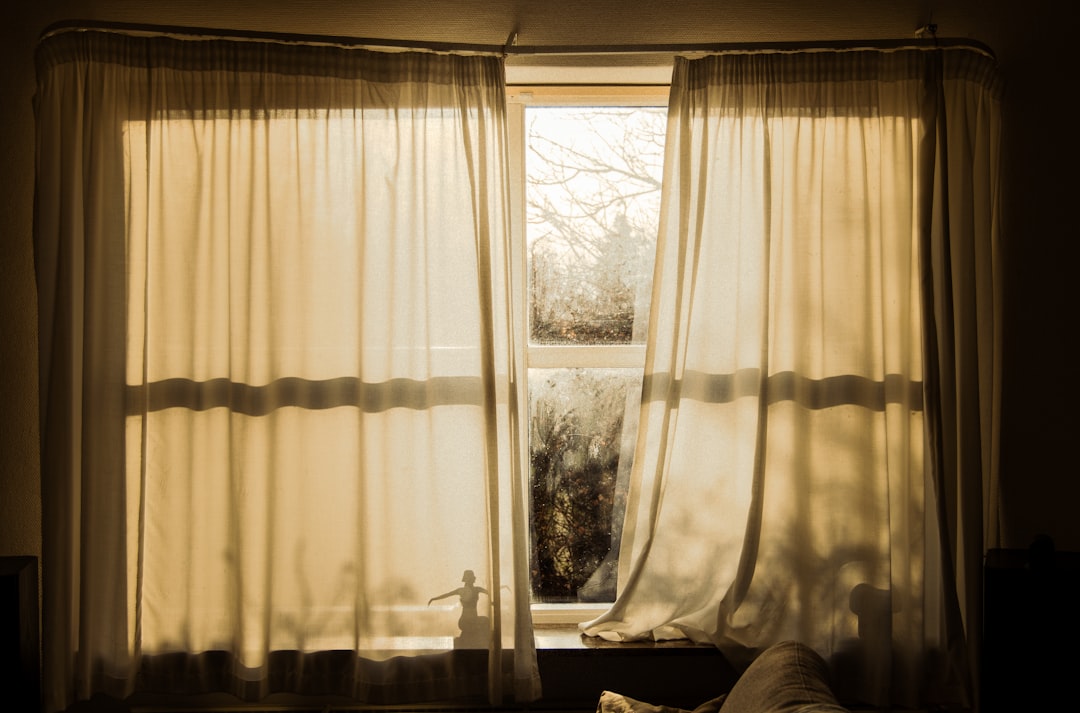
You book the contractors, clear the furniture, and cover the floors. The draperies stay up because taking them down feels like one more job you do not have time for. It is an understandable call, and almost every Singapore homeowner makes it.
The problem is that renovation dust is nothing like the dust that settles on a Tuesday afternoon. It is fine, abrasive and dense with silica, gypsum and cement particles that burrow into woven fabric and bond with the fibre. Once it sets, ordinary vacuuming does not reach it, and rubbing only grinds the particles deeper into the pile.
Here is what to do instead, and when to call someone who cleans draperies professionally.
Why this matters: Fine construction dust embeds permanently into drapery fabric if left untreated, turning a straightforward draperies cleaning job into a fibre-damage problem that no amount of home care can fully reverse.
Highlights
- Construction dust contains silica, gypsum and cement particles that are far finer and more abrasive than everyday household dust
- These particles embed deep into woven drapery pile and set permanently if the fabric is not cleaned promptly
- Vacuuming and DIY steaming reach only the surface; professional draperies cleaning uses hot-water extraction or dry methods matched to the fabric
What renovation dust actually does to draperies
Why construction dust is different
Regular household dust is mostly dead skin cells, textile fibres and pollen. Renovation dust is a different matter. When contractors cut tiles, sand plaster or drill into concrete, they release fine mineral particles that are sharper and denser than anything your vacuum was designed to handle. In Singapore's condo and HDB renovation cycles, this dust travels through the entire flat within hours, carried by air conditioning and the movement of workers in and out of rooms.
Draperies catch it like a filter. The woven pile acts as a trap, and because the particles are so fine, they sink past the surface fibres into the body of the fabric. At that point, the dust is no longer sitting on the drapery: it is part of it.
The damage that sets in
Left for more than a week or two, fine construction dust begins to abrade the fibre from the inside. You may notice the fabric looks dull or slightly stiff. Over time, if the draperies are opened and closed repeatedly, those embedded particles act like sandpaper against the weave, weakening the threads and dulling the colour. In Singapore's humidity, the particles also attract moisture, which creates the conditions for mould to take hold. If you have ever pulled back a curtain after a reno and caught a faint musty smell, that is usually why.
When to clean your draperies, and how
Before or after: the timing question
The best approach is to take down your draperies before any renovation work begins. This is the one situation where draperies cleaning before the job starts genuinely pays off: you clean them, store them flat or rolled, and rehang them once the dust has fully settled and the flat has been aired. Most of our customers who have been through a reno once do this without hesitation the second time around.
If the draperies were already up during the work, the window for easy cleaning is roughly two to four weeks after the renovation finishes. Beyond that, the dust begins to set and the job becomes more involved. It does not become impossible, but results depend on the fabric type and how long the particles have had to bond with the fibre.
What professional draperies cleaning actually does
For post-renovation draperies, the method we use depends on the fabric. Heavier woven panels and interlined draperies respond well to hot-water extraction: the high-temperature rinse flushes construction particles out of the pile, and the extractor pulls the water and the loosened soil back out. Delicate fabrics, sheers and hand-woven panels call for dry cleaning methods that clean without saturating the fibre.
This is the part DIY steaming cannot replicate. A home garment steamer refreshes the surface and smooths creases, but as Good Housekeeping notes, steamers will not remove set-in soil or embedded particulates from upholstery or draperies. Construction dust embedded in a dense weave needs the extraction pressure of professional equipment to shift it.
For an overview of what professional drapery cleaning involves and why hanging fabrics need more than a vacuum, that piece covers the everyday maintenance case in detail.
The DIY limit: when home care is enough and when it is not
If your draperies were in another room during the renovation and only caught a light, general dust, a thorough vacuum with a soft brush attachment is a reasonable first step. Work from the top of the panel to the bottom, and do not press hard or you risk pushing dust further in.
But if the draperies were in or adjacent to the work area, or if you can see the fabric has lost its usual drape or colour, that is not a job for a vacuum. Over-wetting fabric at home, or scrubbing at mineral dust, is more likely to spread the damage than fix it. The same applies to mould: if the renovation disturbed any damp spots and you can smell it in the fabric, the right call is professional mould removal alongside the draperies clean, not a spray-on solution.
For carpets and upholstery that were also exposed during the renovation, the logic is the same. Our professional carpet cleaning service and upholstery and sofa cleaning use the same approach: match the method to the fibre, flush out what the renovation left behind, and protect the fabric going forward.
After the clean: protecting the fabric
Once we have cleaned your draperies, we can apply an antimicrobial treatment to inhibit the mould and bacteria that Singapore's humidity encourages. For draperies that have just been through a renovation environment, it is a sensible layer of protection before they go back up.
It is also worth thinking about the rest of the space. A renovation stirs up years of accumulated dust in wall cavities, ceiling spaces and under floors. Your carpets, sofas and rugs will have caught their share of it too. A single clean across all the soft furnishings in the flat, timed together, is more efficient than addressing each piece separately over the following months.
For a practical guide on how often different floor coverings need attention, the room-by-room cleaning frequency guide is a useful reference for post-renovation planning.
Frequently asked questions
Should I take down my draperies before the renovation starts?
Yes, if you can. Taking them down before work begins is the simplest way to protect them. Store them flat or rolled in a clean bag in a room that will not be affected. Hanging them back up after the dust has fully settled means you avoid the problem entirely, and the draperies cleaning job is straightforward maintenance rather than remediation.
How long after a renovation can draperies still be cleaned effectively?
Generally, the sooner the better. Within the first two to four weeks, construction dust has not yet fully bonded with the fabric fibre, and professional extraction can remove most of it. Beyond that, results depend on the fabric type and the density of the weave. Some fabrics respond fully; others show a permanent dulling if the dust has had time to abrade the threads. We will assess the fabric honestly before we start.
Can I just vacuum the construction dust off the draperies myself?
For a light, general dust from a distant room, a careful vacuum with a soft brush attachment may be enough. For any draperies that were in or near the work area, vacuuming will lift the surface layer but leave the finer mineral particles embedded in the pile. Pressing or rubbing drives them deeper. At that point, professional extraction is the safer option.
Will the cleaning affect the colour or shape of the draperies?
A professional clean matched to the fabric type should not affect colour or drape. We select between wet hot-water extraction and dry methods based on the fabric, which is how we avoid over-wetting or shrinkage. Delicate fabrics, sheers and hand-embroidered panels are handled with dry methods. We check the fabric before starting and will flag any concerns.
What about the rest of the flat after a renovation?
Construction dust settles on everything. Carpets, sofas and rugs in adjacent rooms will have absorbed their share of it, even if they look clean. A combined clean across all soft furnishings after a major renovation is more thorough than treating pieces one at a time, and it means you are starting fresh rather than managing residual dust over the next several months.
Ready to protect your draperies after a renovation? Get a free quote, call us on 6241 9443, or email info@icleancarpet.sg.