
Your carpet fibre decides the method: dry vs wet cleaning
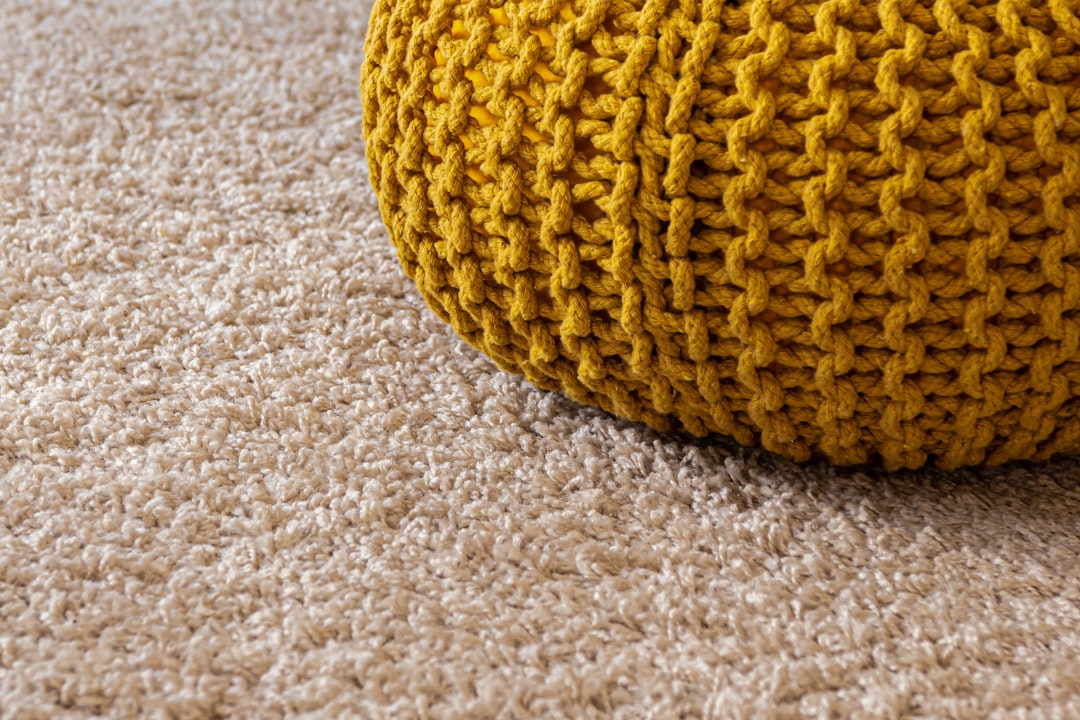
Most people pick a carpet cleaning method based on convenience or price. That is the wrong starting point. The question that actually matters is: what is your carpet made of?
Fibre type determines how much moisture the pile can safely absorb, how it reacts to heat, and how long it takes to dry without risk of browning, shrinkage or mould. Get the method wrong and you can damage a rug that costs more than the sofa sitting on top of it.
This guide cuts through the generic comparison and gives you a fibre-by-fibre answer, so that when a cleaner arrives, you know whether they are recommending the right approach.
Why this matters: Choosing the wrong cleaning method for your carpet fibre can cause irreversible damage, from shrinkage and browning in wool to mould growth under synthetic pile, so the method must follow the material, not the other way around.
Highlights
- The fibre type, not convenience, should drive the choice between dry and wet carpet cleaning
- Hot-water extraction (wet cleaning) deep-cleans synthetic fibres but can damage wool, sisal and jute
- Dry cleaning uses low-moisture compounds and suits delicate natural fibres and high-traffic areas that need minimal downtime
- iCleanCarpet offers both wet and dry methods and matches the method to your specific fibre
- Eco-friendly, safe solutions used on every clean
What the two methods actually do
Wet cleaning: hot-water extraction
Hot-water extraction, widely called steam cleaning, though the water is hot rather than steam, injects heated water and a cleaning solution deep into the pile under pressure, then extracts both the water and the dislodged soil back out. It reaches the base of the carpet and removes embedded grit, allergens, dust mites and body oils that a surface clean cannot touch.
The trade-off is moisture. The carpet will be damp after the clean, and if it does not dry fully, you risk mould growth under the pile, a real concern in Singapore's humidity. Professional-grade extraction equipment removes most of the water during the process, which is why the results differ so sharply from a hired machine that leaves the carpet soaking.
Dry cleaning: low-moisture compounds
Dry carpet cleaning is not quite as dry as the name suggests, but the moisture involved is minimal. A cleaning compound, a mixture of solvents and detergents in powder or slightly damp granule form, is worked into the pile, binds to the soil, and is then vacuumed away. As Bob Vila notes, the formula typically sits for around 10 to 15 minutes before extraction.
The result is a surface-to-mid-pile clean, not a deep flush of the base layer. For many fibres and many situations, that is exactly what is needed. For heavy soiling or allergen removal deep in the pile, it is not.
Matching the method to your fibre
This is the part most generic guides skip. Here is a straightforward fibre-by-fibre breakdown.
|
Fibre |
Recommended method |
Why |
|---|---|---|
|
Wool |
Dry cleaning |
Wool absorbs water readily and can shrink, felt or brown when over-wet. Low-moisture compounds protect the pile structure. |
|
Nylon |
Hot-water extraction |
Nylon handles heat and moisture well and benefits from a deep flush to remove embedded grit. |
|
Polypropylene (olefin) |
Hot-water extraction |
Polypropylene is moisture-resistant and responds well to hot-water extraction. It can attract oily soils, which hot water lifts effectively. |
|
Sisal |
Dry cleaning |
Sisal is a natural plant fibre that swells and distorts when wet. Even moderate moisture can cause permanent rippling and browning. |
|
Jute |
Dry cleaning |
Like sisal, jute is highly moisture-sensitive and prone to brown staining if wet. |
|
Blended (wool/synthetic) |
Professional assessment |
Depends on the wool percentage and the weave. A specialist should assess before proceeding. |
The table above is a guide, not a guarantee. Age, weave density, backing material and dye type all play a role. A dark wool rug with an unstable dye needs a gentler approach than a tight-weave wool broadloom in a commercial space.
Why wool gets special mention
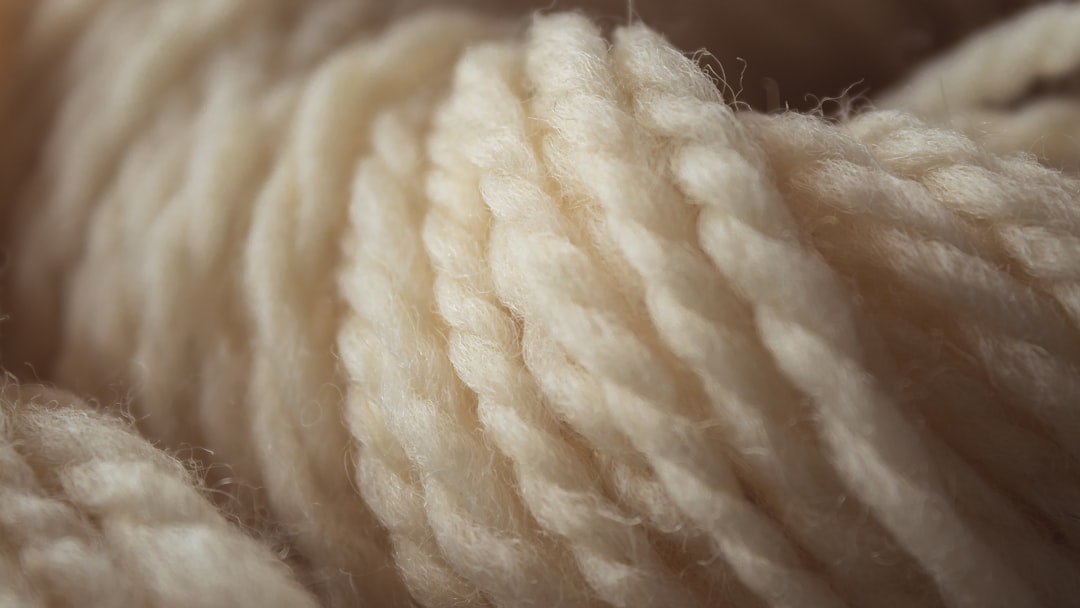
Wool is the fibre we see damaged most often by the wrong method. It is also the most common premium carpet fibre in Singapore homes, particularly in Oriental and Persian rugs. Wool is hygroscopic, it absorbs moisture into the fibre itself, not just onto the surface. When that moisture is heat-activated, the scales on the wool fibre lock together, causing irreversible felting or shrinkage.
If you have a wool rug or a wool-blend carpet and a cleaner proposes hot-water extraction without first assessing the pile, that is a warning sign. Our Oriental rug cleaning process starts with a fibre and dye assessment precisely because skipping that step is how rugs get ruined.
When dry cleaning is and is not enough
Dry cleaning suits:
- Delicate natural fibres (wool, sisal, jute, silk blends)
- High-traffic commercial areas that need minimal downtime
- Maintenance cleans between deeper extraction cycles
- Areas where ventilation is limited and drying time is a concern
It is not the right call for:
- Carpets with heavy embedded soiling or grit deep in the pile
- Pet urine contamination (which requires flushing the backing to remove the uric acid crystals)
- Post-flood or water-damaged carpet, which needs extraction and structural drying
- Allergen removal for someone with dust-mite sensitivity, where a deep flush matters
For a flooded or water-damaged carpet, the method shifts entirely: neither a standard wet clean nor a dry clean is appropriate. That situation calls for our flood damage restoration service, which combines extraction, structural drying and antimicrobial treatment.
The DIY question: when to do it yourself and when to call us
For a small, fresh spill on a synthetic carpet, a clean cloth and a little cold water are the right first response. Blot, do not rub, and let it dry. That is genuinely sufficient for most surface spills.
Where DIY goes wrong is with hired extraction machines. A domestic rental unit does not generate the extraction power that a professional machine does, and that means the carpet stays wetter for longer. In Singapore's humidity, a damp carpet overnight is a mould risk under the pile, a problem that is far more disruptive to fix than the original stain. Our article on what carpet cleaning specialists do that a DIY machine rental cannot goes into the mechanics of why.
If the soiling is heavy, the fibre is natural, or there is any odour coming from the carpet backing, those are the three signs that a professional assessment is the right call rather than a DIY attempt. The same applies if the carpet is within a manufacturer's warranty period: using the wrong method on a warranted carpet can void the warranty.
For guidance on how often each carpet in your home actually needs a professional clean, the frequency varies considerably by room and household type, it is worth reading before you book.
Frequently asked questions
Is dry cleaning or wet cleaning better for Singapore's humidity?
For moisture-sensitive fibres like wool, sisal and jute, dry cleaning is the safer choice in Singapore's humidity because it avoids the drying risk. For synthetic fibres such as nylon and polypropylene, hot-water extraction with professional-grade equipment dries acceptably when the room is well-ventilated. The fibre matters more than the climate, but humidity does affect drying time.
Can hot-water extraction cause mould under my carpet?
It can, if the equipment does not extract enough water or the room lacks ventilation. Professional machines extract the bulk of the moisture during the clean. The risk rises sharply with DIY rental machines, which leave significantly more water in the pile. If you notice a musty smell days after a clean, that is a sign of residual moisture and should be addressed promptly.
How do I know what fibre my carpet is made from?
Check the label on the edge of the carpet or the manufacturer's documentation. If neither is available, a quick burn test on a loose fibre helps: wool chars and smells like burning hair, while nylon and polypropylene melt and smell chemical. If you are unsure, tell us what you know about the carpet and we will assess before choosing a method.
Will dry cleaning remove pet urine odour?
Not fully. Pet urine soaks through the pile into the backing and sometimes into the underlay. The uric acid crystals that cause the odour are water-activated, which means dry-cleaning compounds cannot dissolve and remove them. Hot-water extraction with an enzyme pre-treatment is needed to flush the backing. For persistent cases, see our related piece on why pet urine smell comes back after surface cleaning.
Do you always recommend the same method for every carpet?
No, and that is the point. We offer both wet hot-water extraction and dry cleaning precisely because no single method suits every fibre. Before we clean, we assess the fibre type, the soiling level and the condition of the pile, then recommend the approach that will clean effectively without risking the carpet. That is the standard we hold to with every job.