
How often should you clean every carpet in your home
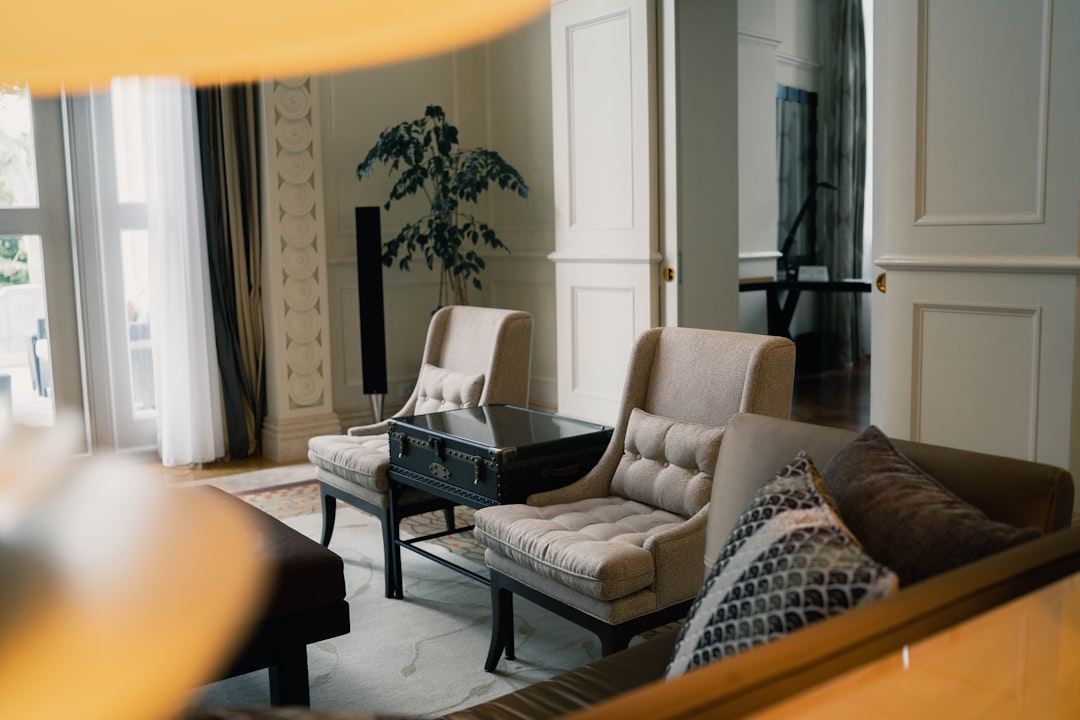
You vacuum every week and spot-clean the obvious spills, yet the carpet in the living room still looks dull after a year and the hallway smells faintly musty after every monsoon downpour. The problem is not effort. It is that different carpets in different rooms wear out and soil at completely different rates, so a single cleaning schedule applied to the whole house leaves some carpets neglected and others over-cleaned.
In Singapore's humidity, that gap matters more than it does in a drier climate. Aircon condensation wicks moisture into pile, monsoon damp travels in on shoes, and dust mites thrive year-round. A blanket answer like "clean once a year" simply does not account for the room your toddler plays on versus the guest bedroom that sees visitors four times a year.
This guide gives you a room-by-room framework, with the factors that shift the schedule in each space and the method best suited to it.
Why this matters: cleaning carpets on the wrong schedule, too infrequently in high-traffic rooms, or with a wet method in a bedroom that cannot dry quickly, accelerates wear, encourages mould, and shortens the carpet's life.
Highlights
- Living rooms and hallways in active Singapore homes typically need a professional deep clean every 6–12 months, not every 18.
- Bedrooms, guest rooms and studies can often go 12–18 months between professional cleans if vacuumed weekly.
- Children's rooms and homes with pets or allergy sufferers need the most frequent attention: every 3–6 months.
- Hot-water extraction suits high-traffic, heavily soiled rooms; dry cleaning suits bedrooms and areas that must stay in use.
- Singapore's humidity and aircon condensation accelerate soiling and mould growth compared with drier climates.
The factors that change every schedule
Before the room-by-room breakdown, it helps to know what actually drives how fast a carpet needs cleaning. Traffic is the obvious one, but in Singapore three other factors matter at least as much.
Humidity and aircon condensation. When cold air hits a warm surface near an aircon unit, moisture settles into the pile. That damp environment feeds dust mites and encourages mould to develop under the carpet backing long before you can smell it. A carpet in a humid HDB flat or a condo with the aircon running all day soils faster than the same carpet in a well-ventilated landed home.
Shoes on carpet. Many Singapore households ask guests to remove shoes at the door, but the living room and hallway still collect tracked-in soil from bare feet, socks and slippers that have crossed the kitchen or balcony. The concentration of fine grit and organic matter at entry points is significantly higher than in the rooms beyond.
Pets and young children. Both bring allergens, spills, dander and tracked-in matter directly to floor level. The risk of pet urine odour returning after a DIY clean is also real: urine salts rehydrate in humidity and the smell resurfaces. Professional hot-water extraction removes the residue that home cleaners leave behind.
According to The Spruce, a carpet in a typical home should be deep cleaned every six months, and vacuumed at least once a week, twice a week in households with kids or pets. That six-month baseline is a sensible starting point for Singapore's busiest rooms, but several rooms in a quiet household can go longer.
Room by room: how often each carpet needs a professional clean
Living room
The living room is the hardest-working carpet in any home. It absorbs daily foot traffic, spilled drinks, food crumbs, pet fur, and the accumulated airborne dust that settles from an aircon unit running most of the day. In a busy household, a couple with children, or a multi-generational family, a professional deep clean every 6 months is realistic. A couple or a single occupant with no pets can stretch to every 9–12 months, provided they vacuum twice a week and deal with spills immediately.
Hot-water extraction is the method for living rooms. The pile in a high-traffic area holds compacted soil below the surface that dry cleaning and encapsulation alone do not fully flush out. Our professional carpet cleaning service uses hot-water extraction matched to the fibre, so wool, nylon and polypropylene are each treated appropriately.
Hallway and entrance
The hallway is the most under-cleaned carpet in most homes and the one that deteriorates fastest. Every person who enters the home, family, visitors, delivery workers, tracks soil, moisture and outdoor particulates directly into this narrow strip. In practice, hallway carpet soils three to four times faster than a bedroom carpet.
Every 4–6 months is the right interval for an active household. If the hallway connects directly to a kitchen or a wet zone, treat it like a living room and schedule accordingly. Because hallways are narrow and often need to be in use quickly, dry cleaning (encapsulation) is sometimes preferred for its shorter downtime, though hot-water extraction is still the better choice where soil is heavily embedded.
Bedrooms (adults)
Adult bedrooms are the calmest carpets in the house: lower traffic, no food, shoes typically off. The main concern is dust mites, which breed in the warm, humid micro-climate of a bedroom carpet. Mites and their waste are the most common trigger of indoor allergens, so even a visually clean bedroom carpet carries a biological load.
For most Singapore households, every 12–18 months is adequate for adult bedrooms, with weekly vacuuming in between. If anyone in the household has asthma or allergies, move that to every 6–9 months.
Bedrooms are well suited to dry carpet cleaning. Because the room is in daily use, the near-zero drying time of an encapsulation clean is an advantage. We apply an antimicrobial treatment to soft furnishings we clean, which provides ongoing protection against mould and bacteria between cleans.
Children's room
Children's rooms need the most frequent professional cleaning of any space in the home, and the reasoning is straightforward: children spend time at floor level, they carry food and drink into the room, and they are more sensitive to the allergens and bacteria that accumulate in carpet pile.
Every 3–6 months is appropriate for an active child's bedroom, or any room where young children play on the floor regularly. Singapore's year-round warmth accelerates dust-mite reproduction, and the combination of frequent spills and high-allergen load in a child's room means that DIY vacuuming alone will not keep up.
For children's rooms, we match the cleaning method to the carpet fibre and the room's layout. Where the carpet needs to dry quickly so the child can return to the room, a dry clean followed by an antimicrobial treatment is often the right call.
Guest room
A guest room that is used a few times a year is the easiest to maintain. Between visits it collects airborne dust and humidity-related soiling, but without daily traffic the pile stays relatively clean.
Every 12–18 months is a sensible interval, or simply before a major visit if that falls within the window. Vacuum the room monthly even when unused: dust settles, and in Singapore's humidity, a vacuum-less room can develop a faint musty smell that is difficult to shift quickly before guests arrive.
Home study or home office
A study with a single occupant working from home is a moderate-traffic room: it sees regular daily use but less soil than the living room. The main concern is the concentration of airborne dust and dander around the desk and aircon unit.
Every 9–12 months is right for most home offices. If the study has a high-pile rug under a desk chair, the chair wheels will compact and shred the pile faster than foot traffic alone. Check whether the rug is showing wear around the chair area and factor that into the timing.

When to call a professional, and when DIY is fine
For routine maintenance between scheduled professional cleans, a good vacuum is genuinely useful. Vacuuming twice a week in high-traffic rooms and once a week in bedrooms removes surface soil before it compacts into the pile. Prompt blotting of liquid spills, never rubbing, which drives the stain deeper into the fibre, handles most fresh incidents.
What DIY cannot do is flush embedded soil, allergens and dust-mite waste from the lower levels of the pile. A rental carpet cleaning machine will wet the carpet but typically lacks the extraction power to pull the water back out fully. Over-wetting at home is the fastest route to mould under the backing, particularly in Singapore's humidity. If the carpet takes more than a few hours to dry after a home clean, moisture is sitting in the underlay.
For a whole-house carpet cleaning, the case for professional hot-water extraction is the combination of heat, pressure and extraction power. The cleaning reaches the base of the pile, the machine removes the water, and the antimicrobial treatment we apply afterwards continues to work between visits. If you are looking at how often a whole-house carpet cleaning should be done, the room-by-room answer above gives you the most accurate picture: it is rarely a single schedule for every room.
For context on how whole-home deep cleaning fits together, the how-often guide for carpets and upholstery in a Singapore home covers the broader picture beyond carpets alone.
One honest caveat: some stains, particularly bleach-related, old oil-based spills, or deeply set dyes, may not come out fully regardless of method. Results depend on the fibre, the stain type, and how long it has set. We will always tell you before we start what outcome is realistic.
Frequently asked questions
How often should a whole-house carpet cleaning be done?
For a typical Singapore household with moderate traffic, plan a professional clean for the living room and hallway every 6–12 months, bedrooms every 12–18 months, and children's rooms every 3–6 months. The whole-house interval depends on the room mix, most households find a full-home clean makes sense annually, with the busiest rooms cleaned more often.
Can I use a schedule for the whole home, or does each room really need its own?
In practice, a single annual clean works well enough for low-traffic households. But for families with children, pets or allergy sufferers, treating each room on its own schedule is noticeably better. The living room and hallway soil much faster than bedrooms, so cleaning them together on a once-a-year sweep means the busiest areas go too long between cleans.
Does Singapore's humidity mean I need to clean more often than overseas guides suggest?
Generally, yes. Tropical humidity accelerates dust-mite reproduction, encourages mould in pile and underlay, and means outdoor moisture is tracked in year-round rather than seasonally. Guides written for temperate climates tend to give longer intervals than are realistic for a Singapore home, particularly for high-traffic rooms and children's spaces.
What is the difference between hot-water extraction and dry cleaning, and which should I choose?
Hot-water extraction (sometimes called steam cleaning) flushes soil from deep in the pile and is the better choice for heavily soiled carpets and high-traffic rooms. Dry cleaning uses very little moisture and is better for rooms where the carpet needs to be back in use quickly, or where the fibre is sensitive to water. We assess the fibre and the room before recommending a method.
What happens if I leave it too long between professional cleans?
Soil compacts into the base of the pile, where it acts like sandpaper and cuts the fibre with every footstep. Colours dull, the pile flattens, and the carpet ages faster than it should. In a humid environment, prolonged soiling also creates conditions for mould to develop under the backing. The carpet may still be cleanable, but heavily neglected carpets sometimes cannot be fully restored.
Ready to get your carpets on the right schedule?
Contact iCleanCarpet for a free, no-obligation quote. Call us on 6241 9443, email info@icleancarpet.sg, or request a free quote online.