
How often should you deep clean carpets and upholstery in a Singapore home?
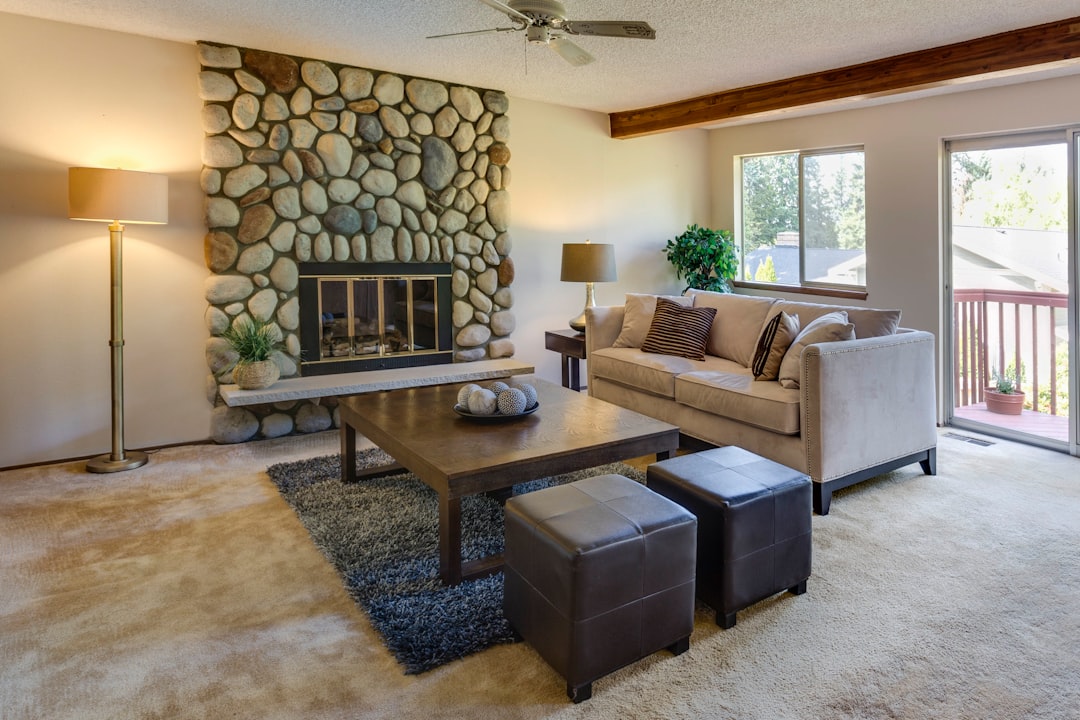
Most Singapore households vacuum regularly and wipe down surfaces, but carpets and upholstery are a different story. Dust mites thrive in our tropical humidity, aircon condensation can dampen pile without you noticing, and fine particulate matter from outside filters in constantly through open balcony doors. The result: soft furnishings that look presentable but are quietly affecting your indoor air quality.
The question of how often to deep clean carpets and upholstery is genuinely worth getting right. Too infrequent and allergens, mould spores and body oils build up past the point where a surface vacuum helps. Too frequent and you risk overwetting delicate fibres or disrupting a protective coating.
Why this matters: In Singapore's year-round humidity, dust mites, mould spores and trapped allergens build up in carpets and soft furnishings far faster than in temperate climates, making the right cleaning schedule a practical health decision, not just a housekeeping one.
Highlights
- Singapore's humidity and air-conditioning condensation accelerate dust-mite and mould growth in carpets and upholstery compared with temperate climates.
- Household type matters: a home with young children, pets or allergy sufferers needs deep cleaning more often than an adults-only flat with low foot traffic.
- We offer both wet hot-water extraction and dry carpet cleaning, matched to the fibre and the space.
- Eco-friendly, pet- and child-safe solutions throughout.
The baseline: what most homes need
As a starting point, professionals recommend that carpets be cleaned every 12 to 18 months, with twice-yearly cleaning for homes with high-traffic areas, pets or young children. That guidance comes from a temperate climate. In Singapore, we would push that baseline earlier: our humidity rarely drops below 70%, and air-conditioning units cycle moist air across carpeted floors daily.
What humidity does to a carpet
Moisture is the invisible variable most homeowners miss. A carpet that feels dry to the touch may still hold enough ambient moisture, especially in rooms with direct aircon vents or poor ventilation, for dust mites to colonise the pile and for mould spores to find purchase. Once mould takes hold, hot-water extraction can lift it, but the remediation takes more effort than a routine professional carpet cleaning would have.
The honest advice: if your home air-conditioning runs for more than eight hours a day and the carpet is in that room, treat the 12-month mark as the outer limit, not the target.
When to clean upholstery
Sofas and fabric chairs absorb body oils, sweat and food particles in a way that carpet never quite does, because people press directly against them. A general rule for upholstery and sofa cleaning is once every 12 to 18 months for adults-only households, and every 6 to 12 months if children or pets share the furniture regularly.
Look for these signs that a clean is overdue, regardless of the calendar:
- A musty or sour smell that does not clear with airing the room.
- Visible soiling along armrests, headrests or seat cushions.
- Skin irritation or sneezing that worsens when sitting on the sofa.
- Fabric that looks dull or flat even after vacuuming.
Frequency by room type and household profile
This is where generic advice falls apart. A bedroom carpet in a single-occupant flat on the 20th floor is a very different environment from a living-room rug in a landed home with two dogs and three children. Use this table as your starting point, then adjust for any of the factors listed below it.
|
Room / area |
Household profile |
Recommended frequency |
|---|---|---|
|
Living-room carpet or rug |
Adults only, no pets |
Every 12–18 months |
|
Living-room carpet or rug |
Children, pets, or allergy sufferers |
Every 6–12 months |
|
Bedroom carpet |
Single occupant, low traffic |
Every 12–18 months |
|
Bedroom carpet |
Shared room or young child's room |
Every 6–12 months |
|
Dining-room carpet |
Any household |
Every 6–12 months (food particles, spills) |
|
Sofa / fabric chairs |
Adults only, no pets |
Every 12–18 months |
|
Sofa / fabric chairs |
Children, pets, or frequent use |
Every 6–12 months |
|
Home office carpet |
Single occupant, light use |
Every 18 months |
|
Corridor / entrance mat |
All households |
Every 6 months minimum |
Adjust your schedule upward (clean more often) if any of these apply:
- Anyone in the household has asthma, eczema or dust-mite allergies.
- You have a ground-floor or low-floor unit where outdoor particulates settle easily.
- Your home is near a construction site or a main road.
- The monsoon season has brought unusual damp indoors.
- You notice a smell or visible soiling ahead of the calendar date.
Dry cleaning versus hot-water extraction: which fits your schedule?
The method matters as much as the frequency. Hot-water extraction flushes the pile thoroughly and is the right choice for a deep clean on most synthetic and blended carpets. Dry cleaning or encapsulation is lower-moisture and suits delicate fibres, wool, or rooms where you need the carpet back in use sooner.
For a comparison of both approaches, the articles on wet carpet cleaning and dry carpet cleaning go into the practical differences, or you can read them side by side in the dry versus wet carpet cleaning guide. In short: the right method depends on the fibre, not just the frequency.
For Oriental and Persian rugs, the fibre and dye type govern everything. Some hand-knotted wool rugs should never be wet-extracted without testing for colourfastness first. If in doubt, call before you book.
When DIY is fine, and when it is not
For a fresh spill, blotting immediately with a clean cloth and a small amount of cold water is exactly the right move. Rubbing drives the stain deeper into the pile and can fray the fibre. A domestic vacuum used twice weekly keeps surface soil manageable between professional cleans.
What DIY cannot reliably do: flush embedded dust mites from deep in the pile, neutralise set-in odours (body oils, pet accidents), or treat mould that has reached the carpet backing. Over-wetting a carpet at home without proper extraction is a common cause of mould growth, and it can void a manufacturer's warranty on premium flooring. That is when a professional clean pays for itself.
Frequently asked questions
How often should I deep clean my carpet in Singapore specifically?
For most Singapore homes, once every 12 months is a sensible baseline, brought forward to every 6–12 months if you have pets, young children, or anyone with allergies. Our tropical humidity and constant air-conditioning mean dust mites and mould spores accumulate faster than in cooler, drier climates, so the outer limits of Western guidance tend to be too lenient here.
Can I vacuum instead of getting a professional deep clean?
Vacuuming is essential for surface upkeep, but it does not reach the base of the pile where dust mites, allergens and fine soil settle. Think of regular vacuuming as maintenance between professional cleans, not a substitute for them. The two work together: good vacuuming means your professional clean goes further and the results last longer.
How do I know my sofa needs cleaning if it looks fine?
Colour and texture are poor guides because body oils and dust mites are invisible. A better test: press your face into a seat cushion and take a breath. A musty or sour note, or any skin reaction when you sit on the sofa regularly, is a reliable sign that a clean is overdue regardless of how the fabric looks.
Is professional carpet cleaning safe for children and pets?
Yes. We use eco-friendly, pet- and child-safe solutions throughout. If you want the room accessible as quickly as possible after a clean, let us know when you book: we will match the method to the fibre and your needs.
Ready to schedule your next clean? Get a free quote, call us on 6241 9443, or email info@icleancarpet.sg and we will recommend the right frequency and method for your home.