
Cleaning a Persian or Oriental rug in Singapore: why specialists handle it differently from wall-to-wall carpet
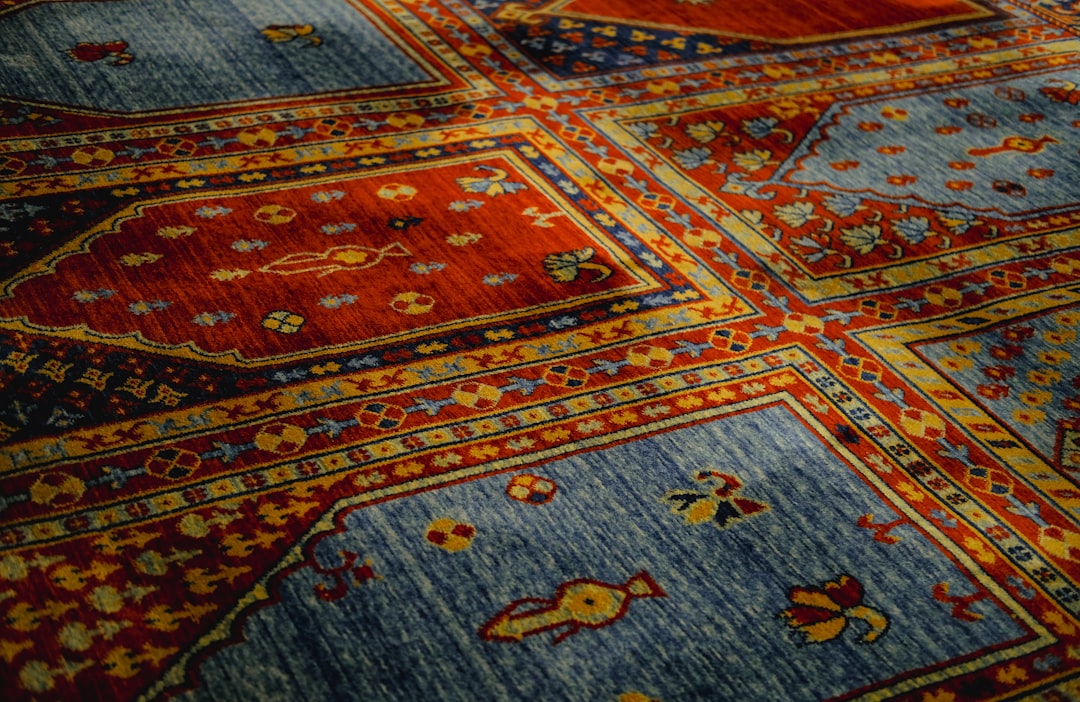
You paid serious money for that Persian rug. It sits in pride of place in the living room, anchoring the sofa and the coffee table, and it looks magnificent, until it does not. A spill, a pet accident, or a year of Singapore's fine red dust settling into the pile, and you need it cleaned.
The instinct is to call whoever cleans your carpets. That is understandable, but a hand-knotted Oriental rug and a synthetic wall-to-wall carpet are genuinely different objects. The fibres, the construction, the dyes and the pile structure all behave differently under heat, moisture and agitation. What works on a polypropylene broadloom can ruin a silk Isfahan.
Understanding why carpet cleaning specialists in Singapore treat these two things separately, and what the correct process actually involves, will help you ask the right questions and protect a rug that is, in all likelihood, irreplaceable.
Why this matters: the wrong cleaning method can cause dye bleed, fringe damage or pile distortion on a hand-knotted rug that no amount of remedial work will fully fix.
Highlights
- Hand-knotted Persian and Oriental rugs require a specialist sequence: dust, inspect, dye-test, wash, dry flat, then groom, not a truck-mounted extraction pass.
- Wool, silk and natural-fibre rugs are sensitive to excess moisture, high heat and alkaline cleaning solutions; synthetic wall-to-wall carpet tolerates all three.
- iCleanCarpet offers Oriental rug cleaning using both wet and dry methods matched to the fibre and construction.
- Eco-friendly, pet- and child-safe solutions that will not strip natural dyes or degrade hand-knotted pile.
Why a rug is not a carpet
Construction changes everything
A wall-to-wall carpet is tufted or woven as a single uniform sheet, typically from nylon, polypropylene or a synthetic blend. The pile sits upright, the backing is stable, and the whole thing is designed to be cleaned in place with hot-water extraction: a high-pressure rinse followed by immediate suction.
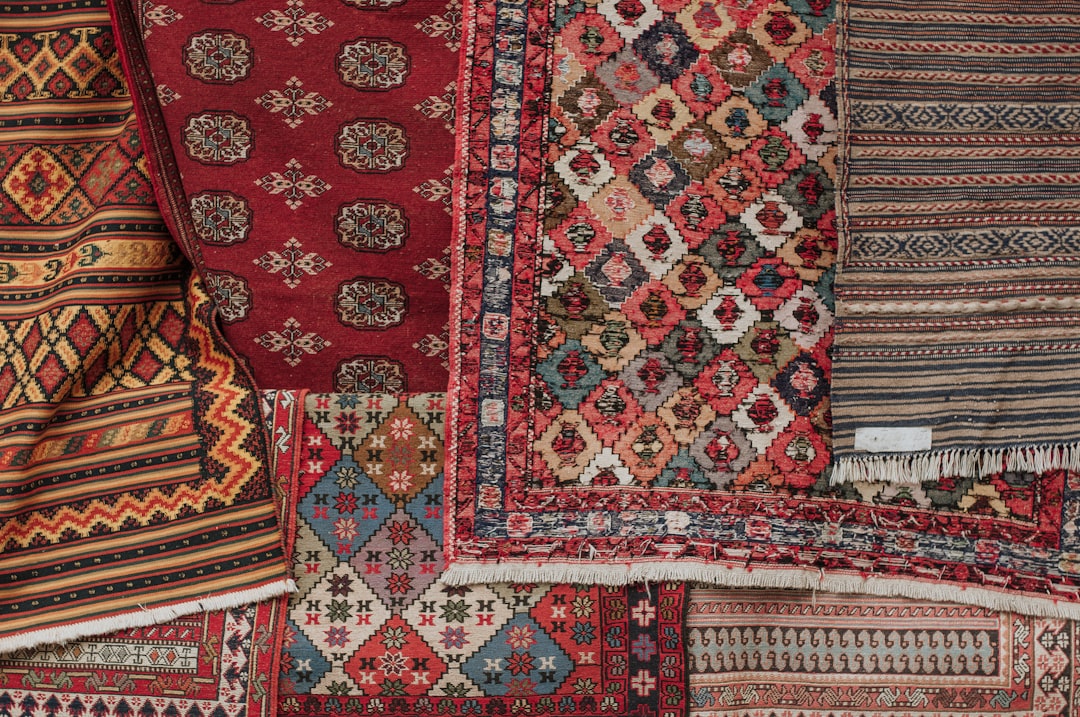
A hand-knotted Persian or Oriental rug is something else entirely. Each knot is tied individually around the warp threads, sometimes 200 to 400 knots per square inch on a fine Kashan or a silk Qom. The foundation (warp and weft) is usually cotton or wool; the pile is wool, silk, or a combination. The structure is organic, flexible and, in places, fragile.
That construction means the rug moves, absorbs moisture unevenly, and responds to agitation in ways a tufted carpet simply does not. Run a rotary scrubber across a silk pile and you distort the sheen permanently. Over-wet the foundation and it shrinks, buckles or develops the musty wicking odour that sets in when moisture reaches the base but cannot escape fast enough.
Dyes behave differently
Synthetic carpets use colourfast, solution-dyed fibres that are essentially colour-stable under most cleaning conditions. The dyes in an antique Persian rug, or even a quality modern reproduction, are often natural or semi-natural. Pomegranate rind, indigo, madder root: beautiful, but reactive. The wrong pH, the wrong temperature, or even prolonged saturation can cause those colours to bleed into adjacent areas or fade unevenly.
This is why dye-testing before any wet process is non-negotiable for a specialist. It is also why the cleaning solution chemistry matters: alkaline cleaners that work well on synthetic fibre can strip the mordants that fix natural dyes to wool.
What carpet cleaning specialists in Singapore actually do
The correct sequence for a hand-knotted rug is more involved than a carpet clean, and most of the critical steps happen before the rug gets wet at all.
Step one: dust first
A rug holds a surprising amount of dry particulate, fine sand, skin cells, pet dander, the red laterite dust that drifts in from construction sites, deep in the pile and in the foundation. If you wet the rug without removing this first, the dry soil turns to a slurry that works its way further into the structure and is much harder to extract.
Professional carpet cleaning specialists use a dedicated rug duster or beater to vibrate the dry soil out before any water touches the piece. This step alone makes the subsequent wash significantly more effective.
Step two: inspect and dye-test
Every area of the rug is examined in good light: the pile, the fringe, the selvedge edges, any repairs, any existing colour runs. High-stress zones (around furniture legs, in traffic paths) are noted. Then a dye-test: a damp white cloth pressed to a small patch of each colour family, checking for transfer before committing to a wet process.
If the dyes are stable, a controlled wet wash is the right choice for most soil levels. If any colour shows migration, the specialist moves to a lower-moisture or dry method, a decision that requires judgement, not a formula.
Step three: match the method to the rug
This is where the real expertise sits, and it is the clearest reason to use a specialist rather than a general carpet cleaner.
|
Rug type |
Recommended method |
Why |
|---|---|---|
|
Wool Persian, stable dyes |
Controlled wet wash, low-pressure rinse |
Thorough soil removal without over-wetting |
|
Silk or silk-highlight rug |
Dry or very-low-moisture method |
Silk distorts and loses sheen under heat or excess water |
|
Antique or fragile foundation |
Dry encapsulation or hand-cleaning |
Minimises stress on weakened warp and weft |
|
Modern machine-made Oriental |
Hot-water extraction acceptable |
More tolerant construction, colourfast dyes |
At iCleanCarpet, we offer both hot-water extraction and dry carpet cleaning, and we choose between them based on the fibre, the dye stability test and the condition of the foundation, not on what the truck-mounted unit happens to do.
Step four: wash, then dry flat
A properly wetted rug must dry flat and evenly. This is another point where corner-cutting causes lasting damage. A rug dried hanging vertically will have its pile weight pulling moisture downward unevenly; the foundation can distort. A rug dried in a pile, especially in Singapore's humidity, invites mould in the innermost layers before the surface even feels damp.
Flat, controlled drying in a ventilated space, with the pile direction maintained, is the standard. It takes longer. It is the correct way.
Step five: groom
Once dry, the pile is groomed in the correct direction to restore the nap and the sheen. Fringe is combed and straightened. Any edge work that needs attention is flagged to the owner. The rug is inspected again in good light before it goes back to the client.
When you can handle it yourself (and when you cannot)
For a fresh, small spill on a wool or synthetic rug, blotting immediately with a clean white cloth is the right first response. Work from the edge of the spill toward the centre, never rubbing, and use plain cold water or a very mild, pH-neutral solution. That handles many surface accidents without any professional intervention.
What you cannot safely do at home: deep soil removal, dye bleeding that has already spread, fringe restoration, mould remediation, or any full wet wash on a silk or antique piece. The risk of over-wetting, the wrong pH balance, or uneven drying is too high for a rug you cannot replace.
If you are unsure whether the soiling is surface-level or embedded, or if the rug has a silk content, calling a carpet cleaning specialist in Singapore is the lower-risk choice. Our Oriental rug cleaning service includes the inspection and dye-test as part of the process, so you get an honest assessment before any work begins.
For comparison, you can read more about the differences between dry and wet carpet cleaning methods to understand which approach suits different surfaces and soil types.
And if your rug has been caught in a flood or water event, do not wait: our flood damage restoration service operates on a 24-hour response basis island-wide, because the window for preventing mould in a saturated rug foundation is short.
Frequently asked questions
Can I use a home carpet cleaning machine on my Persian rug?
For a robust, modern machine-made Oriental with synthetic fibres, a rental machine used carefully is unlikely to cause lasting harm. For a hand-knotted wool or silk rug, the risk is real: too much moisture, too much heat, or the wrong cleaning solution can cause dye bleeding, pile distortion or foundation shrinkage. When in doubt, have a specialist inspect it first.
How often should a Persian or Oriental rug be professionally cleaned?
For most Singapore households, every one to two years is a reasonable interval for a professionally deep-cleaned rug, with regular vacuuming (on a low-suction setting, always in the pile direction) in between. High-traffic areas or homes with pets may need attention more frequently. The inspection step will tell you what the rug actually needs.
Will the cleaning affect the colours in my rug?
A specialist will dye-test before any wet process. If the dyes are stable, a controlled wash is safe. If any colour shows migration, the method is adjusted accordingly. No ethical specialist will proceed with a wet process if the dye-test shows a risk: you will be told before anything happens, not after.
Why does my rug smell musty after it gets wet?
Musty odour after wetting almost always means the foundation (the warp and weft, not the pile) got saturated and did not dry evenly or quickly enough. This is common with DIY attempts or truck-mounted cleans done in place, where the backing holds moisture long after the surface feels dry. Flat-drying in a ventilated space prevents this from recurring.
Is iCleanCarpet's rug cleaning safe for antique or valuable pieces?
We treat every rug as the individual object it is. The inspection and dye-test happen before we commit to any method, and for fragile or antique foundations we use low-moisture or dry techniques that minimise stress on the structure. If a piece needs specialist restoration work beyond cleaning, we will tell you that honestly rather than risk it.
Ready to have your rug professionally assessed? Contact iCleanCarpet for a free quote: call 6241 9443 or email info@icleancarpet.sg. We will advise on the right method before any work begins.