
Carpet maintenance contracts: what facilities managers should require
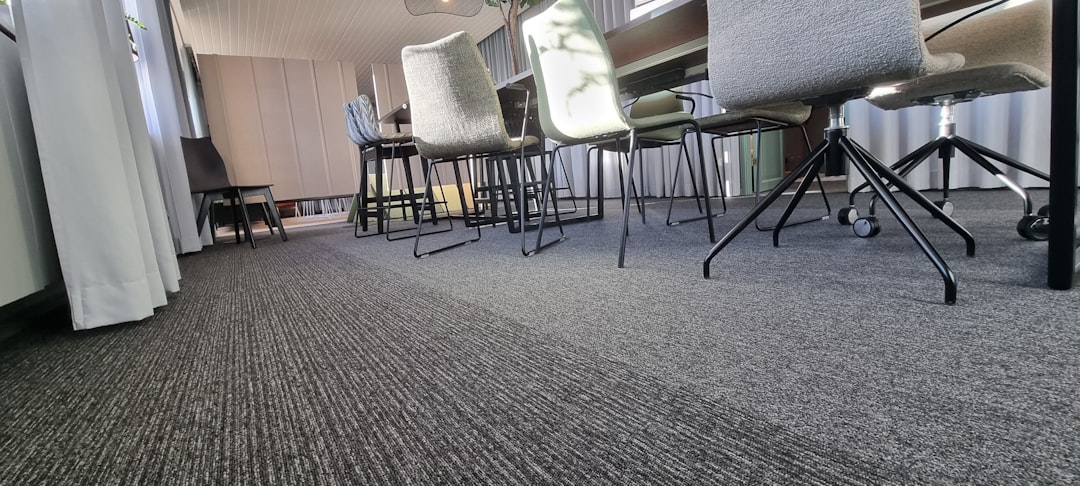
A facilities or procurement manager signing a carpet maintenance contract is not buying a clean. They are buying a repeatable standard, documented evidence of delivery, and a provider who will not let a monsoon flood or a high-traffic event turn into a replacement job. The price on the proposal is the easy part.
Most contracts offered to Singapore facilities managers are thin: a frequency, a method, and a price. What they leave out is everything that matters when a contract is renewed, a complaint is raised, or an auditor asks for service records. Getting those details in before you sign is far cheaper than chasing them afterwards.
Why this matters: A poorly specified carpet maintenance contract leaves a facilities manager exposed when standards slip, damage occurs, or a vendor disputes what was agreed.
Highlights
- Specify cleaning frequency by zone, high-traffic lobbies and lift lobbies need a different schedule from boardrooms or guest bedrooms
- Require both wet hot-water extraction and dry carpet cleaning capability: some fibres and situations need one, some need the other
- Flood and water-damage response must be defined in writing, with a stated response window
- Eco-friendly, safe solutions matter in occupied buildings, confirm this in the spec
- Every visit should generate a written service record, not just an invoice
What the scope clause must cover
A scheduled carpet maintenance contract for a Singapore commercial property should not read "quarterly clean of all carpeted areas." That sentence is almost useless: it says nothing about method, nothing about high-traffic zones, and nothing about what happens between quarterly visits.
Zoning by traffic load
Divide the property into at minimum three zones before you write a frequency into any contract:
- High traffic: lobbies, lift lobbies, corridors, canteen entrances, and reception areas. These typically need extraction or encapsulation cleaning monthly, plus interim spot treatment as needed.
- Medium traffic: open-plan offices, meeting rooms, and hotel corridors. Quarterly hot-water extraction, with interim vacuuming and spot treatment between visits, is usually adequate.
- Low traffic: boardrooms, executive offices, and guest suites. Bi-annual deep cleaning with spot treatment on call is often sufficient.
The Ministry of Manpower's guide on specifications for outcome-based cleaning contracts makes the same point directly: service buyers should provide a recommended schedule of work by type of cleaning and required frequency for each area of coverage. Zoning is not a nicety, it is the baseline for measuring whether a contractor has delivered.
Spot-treatment response times
A spill in a hotel lobby at 10 pm cannot wait until the next scheduled visit. The contract should state a maximum response time for spot treatment and interim cleaning calls, and whether that response is included in the monthly retainer or billed separately. Get this in writing before you sign, not after the first incident.
Service documentation
Every visit, scheduled or reactive, should produce a written record: date, technician name, areas treated, method used, and any observations (a stain that did not respond fully, a section of carpet showing early browning or wicking). Without this, you have no evidence of delivery and no basis for a performance conversation.
Wet and dry capability: why it is non-negotiable
Not all carpets and not all situations suit the same cleaning method. A provider who offers only one approach is already the wrong choice for a mixed-use commercial property.
Hot-water extraction (sometimes called steam cleaning) is the thorough periodic reset: it flushes soil, allergens and odour out of the pile and is the right method for the quarterly or bi-annual deep clean on most commercial carpet tiles and broadloom. In Singapore's humidity, post-extraction drying needs attention. A good provider uses high-capacity extraction equipment that pulls as much water back out as possible, reducing the risk of wicking and mould in the backing.
Dry carpet cleaning (encapsulation or bonnet cleaning) suits interim maintenance visits, delicate fibres, and areas that cannot be taken out of service for drying. It leaves almost no moisture, so high-traffic zones can be returned to use quickly.
A contract that specifies only one method is likely to either over-wet delicate or moderate-traffic areas, or under-clean heavy-traffic zones that genuinely need extraction. Require your vendor to demonstrate they carry and deploy both, and that they will recommend the right method for each zone rather than defaulting to whichever one is cheaper to run.
For properties with a mix of carpet, hardwood and marble, a single provider with capability across surfaces simplifies both the contract and the accountability: one scope, one service record, one point of contact.
The monsoon calendar and Singapore's humidity
A generic quarterly schedule designed for a temperate-climate building ignores two things that matter enormously in Singapore. First, the monsoon seasons (the northeast monsoon typically runs November to January; the southwest monsoon June to September) bring sustained wet weather that increases tracked-in soil and moisture load at entrances. Scheduling a deep extraction clean at the start and end of each monsoon season, rather than on a calendar-quarter basis, aligns maintenance with actual soiling patterns.
Second, Singapore's ambient humidity means carpet backing and underlay stay damp longer after any wet clean. A maintenance contract should specify adequate drying time between wet treatments, or the provision of air-moving equipment to accelerate drying. Mould in carpet backing is a remediation problem, not a cleaning problem, and it is far more expensive to fix.
Flood and water-damage response
This clause is omitted from most maintenance contracts, and it is the one facilities managers most regret not having when they need it.
A burst pipe, a failed aircon drain pan, or a heavy rain event that overwhelms a building's drainage can saturate carpet in minutes. Wet carpet that is not extracted and dried within hours begins to develop mould in the backing. Within 24 to 48 hours, the damage is often structural enough that the carpet needs replacing rather than restoring.
Any carpet maintenance contract for a Singapore commercial property should state:
- A defined response window for water-damage emergencies (iCleanCarpet provides 24-hour flood and water-damage response island-wide)
- The equipment available for emergency extraction (this requires high-capacity industrial extractors and air movers, not the same machine used for scheduled cleaning)
- Whether emergency response is included in the contract or billed separately, and at what rate
A provider without large-scale flood-response equipment cannot make this commitment credibly. Ask to see the inventory before you sign.
For more on how a water-damage event escalates when the response is slow, the article on mould under the carpet and hidden moisture restoration covers the progression in detail.
Red flags to walk away from
A few things in a proposal should end the conversation immediately:
- Single-method only. A provider who offers only hot-water extraction or only dry cleaning cannot match method to situation. Pass.
- No documented service records. If a vendor cannot show sample visit reports from existing contracts, assume record-keeping does not happen.
- Vague or absent emergency response. "We will do our best" is not a clause. If there is no defined response time and no inventory of flood-response equipment, the contract has a hole in it.
- No eco-friendly or safety-tested solutions. In an occupied building, especially healthcare, hospitality, or childcare settings, the cleaning chemistry matters. A vendor who cannot confirm their solutions are safe for occupied spaces is a liability, not a solution.
- Pressure to sign a long contract before a trial clean. A confident provider will do a test clean on one zone so you can assess the result and the documentation before committing.
For the fuller picture of what a professional cleaning provider can do that a basic vendor cannot, the article on what carpet cleaning specialists do that a DIY machine rental cannot is a useful reference, even for the commercial context.
Frequently asked questions
How often should a commercial carpet be professionally cleaned in Singapore?
It depends on the zone. High-traffic areas such as lobbies and lift lobbies typically need monthly or bi-monthly treatment, with quarterly hot-water extraction. Medium-traffic office and meeting areas usually need quarterly deep cleaning. Low-traffic executive suites can run bi-annually. Singapore's humidity and the monsoon calendar are worth factoring into the schedule rather than using a generic quarterly cycle.
Should a maintenance contract specify both wet and dry cleaning methods?
Yes. Different zones, fibres and situations call for different methods. A contract that specifies only one approach will either over-wet areas that need a dry interim clean or under-clean zones that need full extraction. Require your vendor to carry both capabilities and to document which method was used on each visit.
What documentation should a facilities manager expect from each visit?
At minimum: the date, the technician who attended, the areas treated, the method used, and any observations about stains or damage that did not fully respond. This record is your proof of delivery, your basis for performance conversations, and your evidence if a stain or damage claim arises later.
Is flood-response cover typically included in a carpet maintenance contract?
Not by default: most standard contracts exclude it. Negotiate it in explicitly, with a defined response window and a clear statement of what equipment will be deployed. A provider without high-capacity extraction and air-moving equipment cannot make a credible flood-response commitment, so ask about the inventory before you agree terms.
How does Singapore's humidity affect the cleaning frequency and method choice?
High ambient humidity slows drying after any wet clean, which increases the risk of wicking and mould in the carpet backing if drying time is not managed. It also means that tracked-in moisture during monsoon months adds to the soil load faster than in drier climates. A well-written contract accounts for this by scheduling extraction cleans around the monsoon seasons and specifying adequate drying time or air-moving equipment after each wet treatment.
The right scheduled carpet maintenance contract for a Singapore commercial property is a working document, not a formality. Specify the zones, the methods, the response times, the documentation, and the emergency cover before you sign, and the conversation about performance becomes straightforward.
Ready to discuss a maintenance contract for your property? Contact iCleanCarpet for a free, no-obligation quote. Call 6241 9443 or email info@icleancarpet.sg, or get a free quote online.