
Hotel carpet maintenance in Singapore: scheduling deep cleans around occupancy
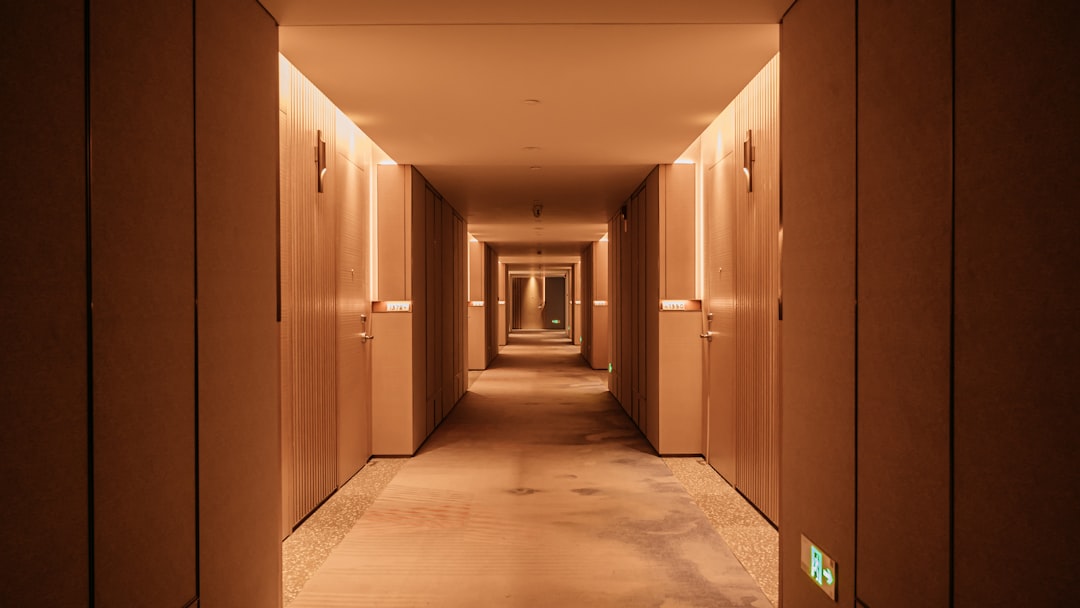
A hotel carpet takes more punishment in a week than a residential carpet does in a year. Trolleys, luggage wheels, spilled coffee at breakfast, and thousands of footsteps from the lobby to the lift lobby: the soil load is relentless. Yet the cleaning window is almost never convenient.
For facilities and housekeeping managers, the question is not "should we deep-clean?" It is "when can we, without turning away guests or closing a revenue-generating space?" Getting that answer right requires matching the cleaning method to the zone and the occupancy calendar, not just booking whoever is available at short notice.
This guide walks through how Singapore hotels can build a carpet-maintenance schedule that keeps pile looking fresh, protects the carpet investment, and causes the least possible disruption to operations.
Why this matters: A poorly timed or poorly executed carpet clean can take a high-traffic hotel zone out of service for the wrong stretch of time, costing more in lost revenue than the clean itself.
Highlights
- Hotel carpets in high-traffic zones typically need a professional deep clean more often than residential carpets.
- Dry cleaning (encapsulation) works well in areas that cannot afford downtime; hot-water extraction delivers a deeper flush for rooms and lower-traffic corridors during low-occupancy windows.
- Eco-friendly, pet- and child-safe solutions mean cleaned areas are ready for guests without chemical odour concerns.
Matching the cleaning method to the hotel zone
Lobbies and public corridors
These areas never truly stop. Even at 2 a.m., a late check-in or an early departure can mean foot traffic. Dry cleaning (encapsulation) is usually the right call here: the carpet is ready to use almost immediately, there is no risk of over-wetting in a busy transitional space, and the method handles the greasy, compacted soil that lobby pile accumulates quickly.
Hot-water extraction is better reserved for a scheduled low-occupancy block, perhaps a public holiday when the lobby briefly quiets, or a major refurbishment window. It delivers a far deeper flush of allergens, embedded grit and odour, but the carpet needs adequate time to dry before heavy foot traffic resumes.
|
Zone |
Recommended method |
When to schedule |
|---|---|---|
|
Lobby and main corridors |
Dry cleaning (encapsulation) |
Rotating blocks, overnight |
|
Guest-room corridors |
Dry cleaning or hot-water extraction |
Low-occupancy nights |
|
Guest rooms |
Hot-water extraction |
Turnover blocks, refurb windows |
|
Ballroom and function rooms |
Hot-water extraction |
Between bookings |
|
Restaurant and F&B areas |
Dry cleaning between meals; extraction quarterly |
Early morning before service |
Guest rooms
Rooms offer the cleanest scheduling window in the hotel. A room that is checked out and not yet sold is a natural cleaning slot. The challenge is coordinating with reservations so that a block of adjacent rooms is available at the same time, making the technicians' run efficient rather than scattered across floors.
Hot-water extraction is well-suited to guest rooms precisely because you have a defined window: the checkout and pre-arrival gap. Work with your property management system to flag low-occupancy nights or planned maintenance blocks and schedule extraction cleans in runs rather than one room at a time.
Ballrooms and function spaces
These are actually the easiest spaces to schedule, because bookings are visible weeks or months ahead. The gap between a conference pack-down and the next event setup is the obvious window. A professional carpet cleaning team can move through a ballroom efficiently with hot-water extraction equipment, and the carpet has time to recover before the next event.
The mistake most properties make is waiting until a stain complaint or a visible soiling line before booking the clean. By that point, the soil is compacted into the pile and the clean takes longer. A proactive schedule, timed to the booking calendar, is faster and cheaper overall.
Building an annual maintenance calendar
Frequency by zone
There is no universal answer, because it depends on occupancy rate, carpet type and fibre, and how aggressively the housekeeping team maintains between professional visits. As a practical starting point:
- Lobbies and public areas: professional deep clean every 1–3 months, with interim encapsulation or bonnet cleaning as needed.
- Guest-room corridors: every 3–6 months, or more often if the property runs consistently high occupancy.
- Guest rooms: at least annually for a full extraction clean; high-turnover budget properties may need quarterly.
- Ballroom and function rooms: after every major event or at minimum quarterly.
- Restaurant and F&B areas: at least monthly for a thorough clean of seating-area carpet, given the food and beverage soil load.
A useful benchmark: if your housekeeping team is spending more time spot-treating than they should be, or if guests are commenting on odour, the professional-clean frequency is too low.
The role of interim maintenance
Professional deep cleans work best when the carpet is well-maintained between visits. Daily vacuuming with a commercial-grade machine, prompt blotting of spills, and periodic bonnet cleaning or encapsulation in high-traffic runs all extend the interval between full extraction cleans. Think of the professional visit as the reset, and interim maintenance as what keeps the carpet out of the "urgent" category.
For more on how scheduling and method selection interact, the guide on how often to deep clean carpets and upholstery in Singapore covers the residential and light-commercial picture in detail.
Coordinating with your cleaning provider
What to share before the visit
A professional carpet cleaning team works faster and delivers better results when they arrive prepared. Before the visit, share:
- A floor plan or zone map with the areas to be cleaned and their carpet type.
- Any known problem areas (recurring stains, areas with odour, zones that have been over-wetted in the past).
- The occupancy forecast for the cleaning window, including check-in times.
- Any carpet warranty documentation, since some manufacturers specify which cleaning methods are approved.
What the technicians assess on arrival
A thorough pre-clean inspection checks fibre type and pile construction, existing staining and its likely cause, moisture levels (critical in Singapore's humid climate, where a damp subfloor can cause browning or wicking after extraction), and whether any areas need pre-treatment before the main clean.
If the carpet shows signs of mould or a persistent musty smell, that is a different problem from surface soiling. Our mould removal service addresses the underlying moisture issue, not just the surface symptom, and should be scoped separately from a routine carpet clean.
When DIY or in-house cleaning is not enough
Some properties rely on hired or in-house machines for interim maintenance, which is reasonable for routine upkeep. The limits become clear when:
- The soil is compacted deep into the pile and surface cleaning is not moving it.
- There is a persistent odour that returns within days of an in-house clean.
- A guest has raised a stain or hygiene complaint.
- The carpet is approaching a warranty inspection or a scheduled refurbishment review.
In-house machines typically lack the extraction power of commercial hot-water extraction equipment, which means they can leave residue and moisture behind. Both accelerate re-soiling and, in Singapore's humidity, create conditions for mould. For a direct comparison of what changes with professional equipment, the article on what carpet cleaning specialists do that a DIY machine rental cannot is worth a read.
For hotel properties dealing with a flood or a pipe burst, iCleanCarpet's flood damage restoration service operates with a 24-hour response island-wide, covering water extraction, drying and treatment before mould can establish itself.
Frequently asked questions
How often should a hotel lobby carpet be professionally deep-cleaned?
For a typical Singapore hotel lobby under consistent high traffic, a professional deep clean every one to three months is a reasonable benchmark, with interim encapsulation or bonnet maintenance between visits. Properties with very high footfall, or those running events regularly, may find monthly cleans are more cost-effective than managing frequent spot treatments.
Which cleaning method causes the least disruption in a live hotel environment?
Dry cleaning (encapsulation) causes the least disruption because the carpet is usable almost immediately after treatment. Hot-water extraction delivers a deeper clean but needs adequate drying time. The right choice depends on the zone and the available scheduling gap, and often both methods are used across different areas in the same property.
Can carpets be cleaned overnight without affecting guests?
Yes, in most cases. Lobby and corridor work is typically scheduled for the quietest overnight window, and with dry cleaning, the carpet is ready well before morning traffic picks up. For guest rooms, coordination with the reservations team to identify checkout blocks is usually more effective than overnight work, since rooms have natural turnover gaps.
What should we do about a carpet that smells damp after a previous clean?
A damp or musty smell after a clean usually means the carpet was over-wetted and did not dry fully, allowing mould or mildew to develop in the backing or underlay. This is different from surface soiling and needs a different treatment. If the smell persists or you can see discolouration at the edges or seams, it is worth having the area assessed for mould before the next routine clean.
Ready to schedule a deep clean around your occupancy calendar? Contact iCleanCarpet for a free, no-obligation quote. Call 6241 9443 or email info@icleancarpet.sg and we will work around your schedule.