
Office carpet maintenance in Singapore: how to keep high-traffic areas looking presentable between deep cleans
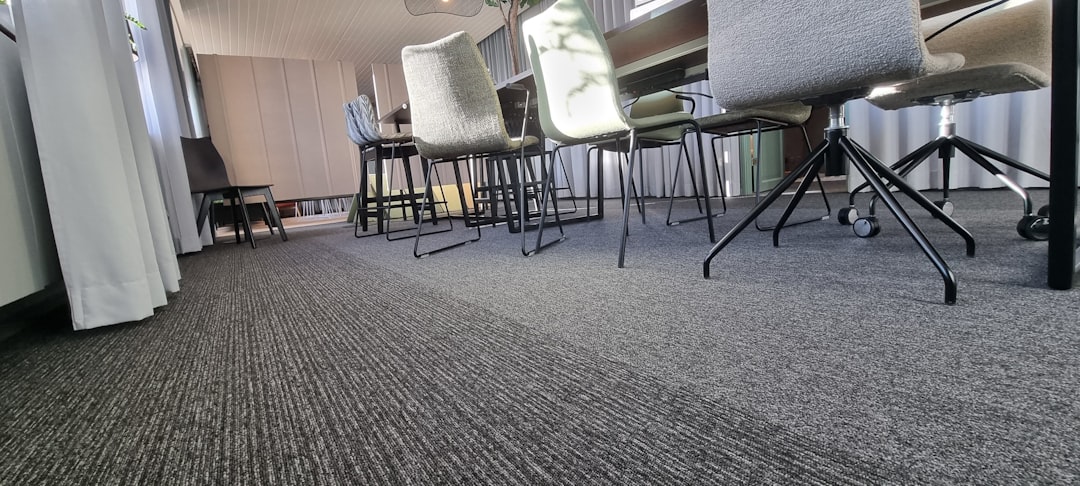
The carpet in your reception looks fine on Monday morning. By Thursday afternoon, after a week of shoes, trolleys and the odd spilled coffee, it has taken on that dull, matted look that no amount of vacuuming quite fixes. You know it needs attention, but a full deep clean every week is neither practical nor necessary.
The answer is a layered maintenance plan: the right daily and weekly tasks your team can handle, combined with scheduled professional carpet cleaning services at the right intervals. Get the split right and your carpet stays presentable, lasts longer, and the deep-clean bill stays predictable.
This guide is written for facility and office managers in Singapore. The humidity here adds a dimension that office managers in cooler climates do not face: damp shoes, monsoon run-off tracked in from the lobby, and a warm environment where moisture trapped in the pile creates conditions for mould and odour if carpet is not maintained properly.
Why this matters: Commercial carpet in a Singapore office is one of the first things clients and staff see, and a poorly maintained floor signals the same about the business behind it.
Highlights
- Heavy foot traffic mats and greys carpet fibres quickly, especially in reception areas, corridors and meeting rooms.
- A structured daily-to-monthly maintenance schedule keeps carpets presentable and extends the time between deep cleans.
- Both wet (hot-water extraction) and dry cleaning methods are available, matched to your carpet type and operational needs.
- Eco-friendly, pet- and child-safe solutions used throughout, with no disruption to the working environment.
The real enemy: soil loading in commercial carpet
Why office carpet degrades faster than you expect
Carpet in a busy Singapore office does not wear out evenly. The damage concentrates in a handful of zones: the path from the lift lobby to the reception desk, the corridor between open-plan desks and the meeting rooms, and the strip of carpet in front of the pantry. These areas carry a disproportionate share of the foot traffic and, with it, the soil.
Soil in commercial carpet is not just visible dirt. It is a mix of dry particulates (fine dust, sand, pollen tracked in from outside), oily residues from shoe soles and skin contact, and biological matter including food crumbs and beverage spills. In Singapore's humidity, that mix sits in a warm, moist environment that accelerates both the breakdown of carpet fibre and the build-up of odour.
The Carpet and Rug Institute's commercial maintenance standard describes carpet cleaning as the process of locating, identifying, containing, removing and preventing the return of contaminants. This is a useful framing for a facility manager because it separates the daily containment tasks from the periodic removal tasks. You need both.
The cost of skipping interim maintenance
When soil is left to accumulate, it works its way deeper into the pile with every footfall. Abrasive particles cut the fibre, accelerating visible wear. Oily residues bind to the fibre and attract more dry soil, a cycle known as re-soiling. By the time the carpet looks visibly dirty, the damage to the fibre is already done. A professional deep clean can remove the soil and refresh the appearance, but it cannot undo fibre damage. Maintenance before the carpet looks dirty is always cheaper than remediation after.
A practical maintenance schedule for Singapore offices
Daily: contain the soil at the source
The most cost-effective thing you can do for your office carpet is stop soil from travelling far from the entrance. A quality entrance mat (at least 1.5 metres deep at every entry point) traps particulates before they reach the carpet. Ensure the mat is cleaned or shaken out daily; a saturated mat stops working and starts transferring soil instead.
For the high-traffic zones:
- Vacuum daily, or every second day at minimum, using a vacuum with a proper filtration system. A vacuum that recirculates fine dust back into the air is counterproductive.
- Address spills immediately: blot with a clean white cloth, working from the outside of the spill inward. Never rub, and never apply excessive water. A simple blot removes most liquid before it sets.
- Do a quick visual check of the pantry and coffee station area at the end of each day. Beverage spills that dry overnight are significantly harder to treat than fresh ones.
Weekly: interim cleaning for the main corridors
Once a week, the main corridors and the reception zone benefit from more than a standard vacuum pass. A bonnet or encapsulation dry clean on these areas refreshes the surface appearance without wetting the carpet, which matters if the office cannot be closed or if the area needs to be back in use within the hour.
This is the practical use case for dry carpet cleaning in a commercial setting: it is not a substitute for a thorough extraction clean, but it keeps the surface presentable and manages soil loading between deep cleans. For offices where the carpet sees genuinely heavy traffic (a busy clinic corridor, a hotel lobby, a school common area) weekly interim cleaning is worth building into the service contract.
For offices with lower foot traffic, fortnightly interim cleaning is often sufficient.
Monthly and quarterly: spot treatment and inspection
Once a month, walk the office with fresh eyes and mark any areas showing visible matting, staining or discolouration. Pay particular attention to:
- Chair-leg impressions and caster tracks under desks (these respond to hot water extraction, which lifts the crushed pile)
- Any area with recurring spills or odour, which may need a targeted treatment rather than a general clean
- The edges and corners of rooms, where vacuums miss and soil accumulates over time
- Air-conditioning unit drain paths, where condensation sometimes tracks across the carpet (a particular issue in older Singapore commercial buildings)
This monthly inspection gives you an honest picture of the carpet's condition before problems become visible to clients and visitors, and it informs the timing of your next professional clean.
When to call professional carpet cleaning services
Hot-water extraction versus dry cleaning: choosing the right method
For office carpet, the method matters as much as the frequency. The two main options available from a professional provider are hot-water extraction (often called steam cleaning) and dry cleaning. Neither is universally superior; the right choice depends on the carpet fibre, the soil level and the operational constraints of the space.
|
Factor |
Hot-water extraction |
Dry cleaning |
|---|---|---|
|
Soil removal depth |
Deep, flushes soil from the base of the pile |
Surface to mid-pile |
|
Best for |
Heavily soiled areas, post-event cleans, annual deep cleans |
Interim maintenance, lower-soil-load areas, quick turnaround |
|
Carpet type |
Suited to most synthetic commercial carpets |
Preferred for delicate fibres or moisture-sensitive backings |
|
Operational disruption |
Carpet needs drying time after |
Usable almost immediately |
|
Odour removal |
More effective on embedded odour |
Limited on deep odour |
For most Singapore offices, a sensible structure is dry cleaning for monthly or quarterly interim maintenance on the heaviest-traffic corridors, combined with a hot-water extraction deep clean every six to twelve months across the full floor. We match the method to your carpet type and your schedule; it is not a one-size solution.
You can read more about the differences in our dry carpet cleaning vs wet carpet cleaning comparison if you want the technical detail before making a decision.
Signs it is time for a professional deep clean
Do not wait until the carpet looks visibly grey. These are the practical triggers:
- A persistent smell that does not clear after routine cleaning, particularly after the monsoon months when tracked-in moisture has had time to sit in the pile
- Stains that have wicked back to the surface after a previous clean (a problem called wicking, where residual soil in the carpet backing travels up the fibre as it dries)
- A general dullness across high-traffic areas that vacuuming does not shift
- Upcoming events, client visits, or a lease renewal inspection where the space needs to look its best
- Any sign of mould or discolouration along exterior walls or beneath air-conditioning units
For a deeper look at what a professional extraction clean achieves compared to a DIY machine rental, see our article on what carpet cleaning specialists do that a DIY machine cannot.
The limits of DIY
Hire machines from hardware stores are built for occasional residential use. They lack the extraction power of commercial-grade equipment, which means they put water into the carpet more effectively than they pull it back out. In Singapore's humidity, a carpet left damp for more than a few hours is at real risk of mould growth beneath the surface. If you are managing a commercial space, the risk is not worth the saving.
For guidance on how often to schedule deep cleans for carpets and upholstery in a Singapore property, that article breaks down frequency by room type and use, which translates directly to an office context.
Frequently asked questions
How often should an office carpet be professionally deep cleaned?
For most Singapore offices, once or twice a year for a full hot-water extraction clean, combined with interim dry cleans every one to three months on the heaviest-traffic zones. The exact schedule depends on footfall, carpet type and whether food or beverages are consumed in the space. High-traffic areas in a clinic or hospitality setting typically need cleaning more often.
Can professional carpet cleaning services be done outside business hours?
Yes. We schedule commercial jobs around your operations, including evenings and weekends. Hot-water extraction requires some drying time, so most office managers prefer an after-hours slot. Dry cleaning cleans with minimal disruption and the carpet is usable almost immediately, which suits areas that cannot be closed during the day.
Is the cleaning safe for staff who return to the office the same day?
The solutions we use are eco-friendly and safe. After a hot-water extraction clean, the main consideration is ensuring the carpet is adequately dry before heavy use resumes, which is straightforward with good ventilation. We can advise on practical drying steps for your specific space.
Will professional cleaning remove the matted, crushed look in high-traffic corridors?
Hot-water extraction lifts the pile and removes the embedded soil that causes matting, which does restore appearance significantly in most cases. Very heavy or long-term matting from repeated crushing may not fully reverse, particularly in lower-quality carpet tiles. Catching the matting early, before it becomes permanent, gives the best result.
What happens after a professional clean: is any ongoing protection applied?
After cleaning, we can apply a protective treatment to soft furnishings to help resist soiling and odour between cleans. Ask us about this when you request a quote.
Ready to get your office carpet back in shape? Contact iCleanCarpet for a free, no-obligation quote. Call us on 6241 9443 or email info@icleancarpet.sg. You can also